

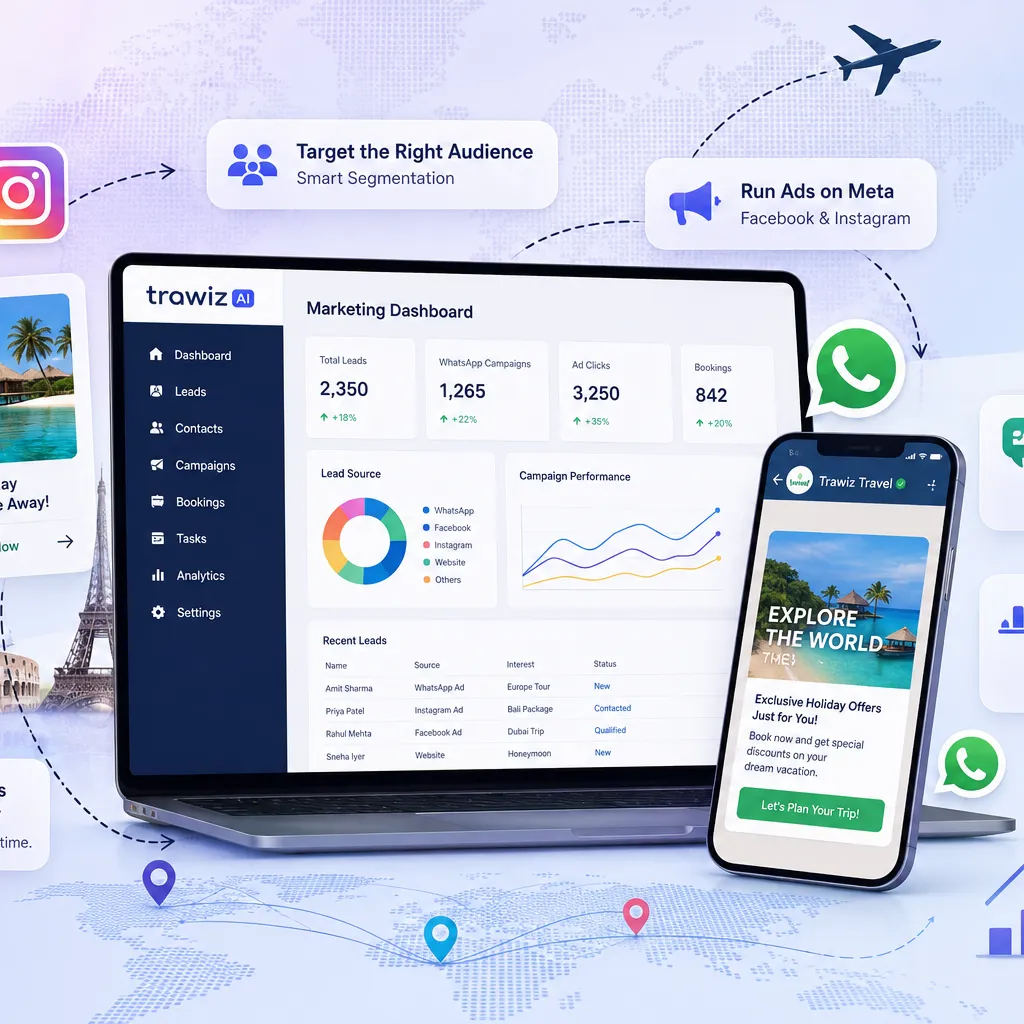
Customers, schedules, destinations, activities, suppliers, and internal teams are all managed at the same time when it comes to tour management. Managing all these details using spreadsheets, emails and individual messaging platforms will grow more problematic as an operator expands. The right software can help to connect and streamline crucial processes, enabling operators to have more consistent communication with customers throughout the booking process.
Start With Tour Planning Needs
Tour operators need to know which aspects of their processes need to be focused on before choosing software. There are fixed group tours and businesses may also provide customized trips according to the needs of the customers.
The software should be able to accommodate the kind of tour being provided, and not require all operations to be performed in the same process. These factors may encompass customer records, booking information, communication, customer records, itinerary management, scheduling and supplier coordination. Slimming the selection process by defining these requirements first will make it more focused.
Centralize Customer Information
In the process of inquiries, booking discussions and debriefing, customer information will be gathered by tour operators. These might contain information such as contact details, preferences, previous journeys, group information and special requirements.
A centralized system may make these details more easily accessible. Staff can see user data prior to handling questions or updating a trip. This can also enhance coordination within the company when various employees are working on the same booking.
Manage Leads More Efficiently
Not all visitors who ask for a tour are ready to book at that time. Some customers might make comparisons of dates, destinations, price, activities or group options before they make a choice.
Operators can keep track of these inquiries and plan their movement by using good tour management software. Conversations can be recorded, follow-ups scheduled, and prospects that should be paid attention to identified. A systematic approach will minimize the risk of good inquiries being missed during peak periods.
Simplify Itinerary Creation
Itineraries can take a lot of work to prepare. The operators might have to put all the items together in a coherent travel plan for each customer or group.
Software that has itinerary features can assist with these bits of information in a more effective way. AI-driven tools can also aid in the development of a preliminary travel itinerary according to customer needs. Staff are then able to review, amend and tailor the plan for the finished product before giving it to the customer.
Improve Customer Communication
Communication is ongoing through all phases of the tour sales process. Customers may ask questions about schedules, inclusions, meeting points, activities and changes to their plans.
A central system may assist teams to maintain vital communication tied to customer records. Automated updates and messaging tools can also be used to facilitate regular communication. This will enable the operator to deliver information in time and minimize manual repetitive tasks.
Automate Repetitive Tasks
Many growing operators are spending a very large amount of their time on administration. Reminders, customer updates, prospect follow-up and routine information can be hours of work per week.
Some tasks can be automated based on certain workflows. For instance, a system may be used to remind a team of follow-ups or assist in communicating at various points in the customer’s journey. This will then give employees more time to focus on designing experiences, responding to in-depth questions and fostering customer relationships.
Connect Tours with Customer Relationships.
A tour operator’s relationship with his/her customers may not just be for a single tour. If a traveler has had a good experience, he or she might be interested in further travel tours, seasonal travel destinations, or travel products.
Once an appointment is made, a connected travel CRM software can be used to keep customers’ useful data. Past destinations, preferences and communications can help to inform more appropriate subsequent marketing. This can help to make the follow-up effort more personal and less like a new customer.
Choose Software That Can Scale
Software should be used to facilitate growth and not be a further constraint on the operation. The technology requirements for the business might evolve as more tours are added, more employees are added, more destinations are added, and more customer inquiries are received.
Easy to use, autonomous, integrability, reporting, customer management, and scalability: operators should make sure to consider all these aspects. Multiple important functions in one platform can minimize the need to keep up several disjoint systems as operations grow.
Conclusion
Tour management is crucial to the organization of customer information, planning activities, communication and operational tasks. The right technology can help eliminate repetitive work and provide a greater view of the customer journey for teams. As tour operators look at integrating customer management, automation, and travel workflows, they should be considering trawiz.ai for modern travel technology.