

Introduction
The Annapurna Base Camp Short Trek is one of Nepal’s most rewarding short-duration Himalayan adventures. It offers an opportunity to experience spectacular mountain scenery, traditional villages, lush forests, and high-altitude landscapes without committing to a long trekking itinerary.
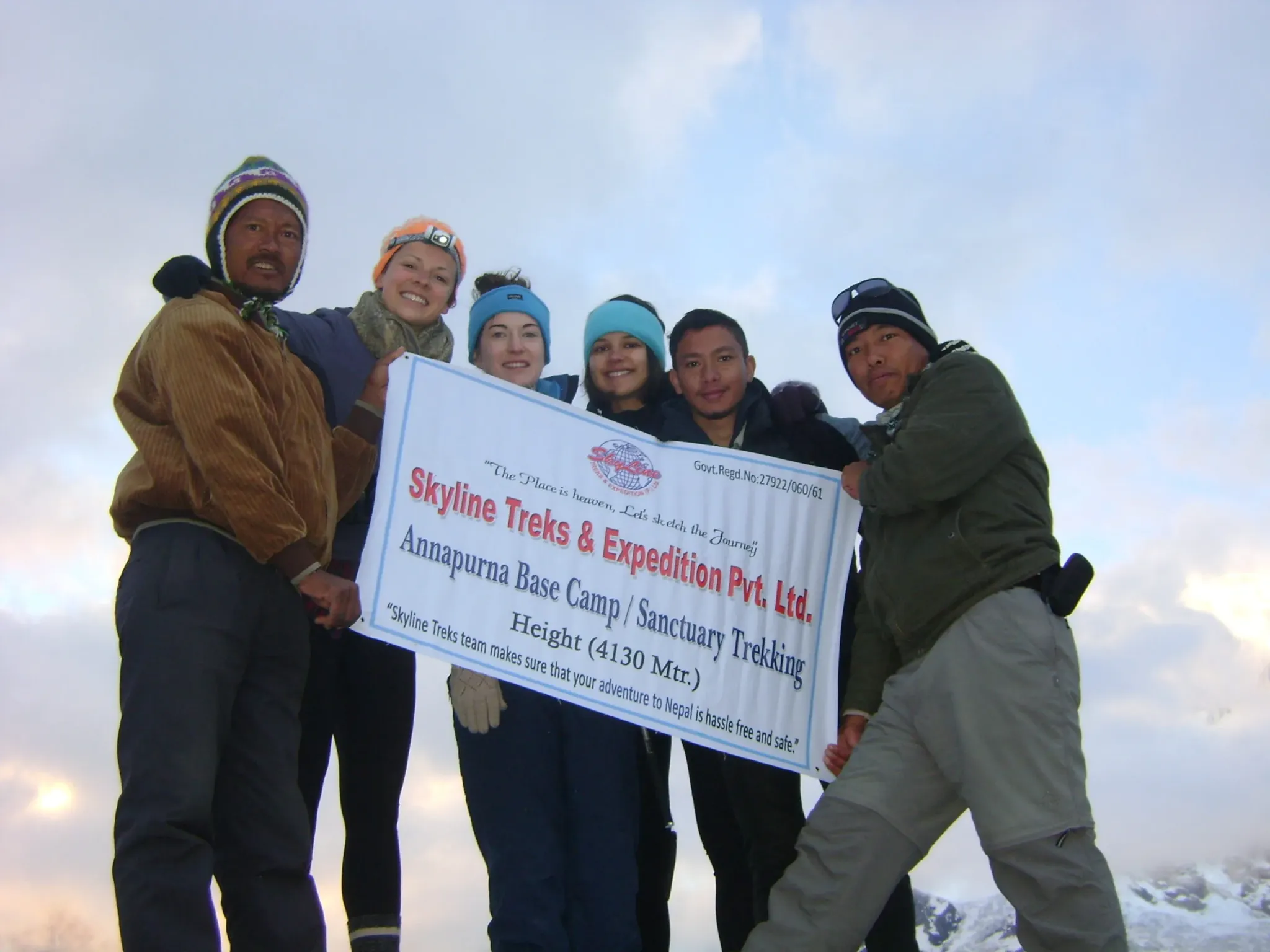
Located in the famous Annapurna region of Nepal, the trek leads through diverse landscapes toward Annapurna Base Camp, surrounded by some of the Himalayas’ most impressive peaks. Along the route, trekkers can enjoy views of Annapurna I, Annapurna South, Machhapuchhre (Fishtail), Hiunchuli, and several other snow-covered mountains.
What makes the short version particularly attractive is its efficient itinerary. With suitable transportation and a well-planned route, travelers can reach the base camp in fewer days while still experiencing the region’s natural and cultural highlights. It is an excellent choice for travelers with limited time who want a genuine Himalayan trekking experience.
What Is the Annapurna Base Camp Short Trek?
The Annapurna Base Camp Short Trek is a condensed version of the traditional Annapurna Base Camp trekking route. Instead of spending two weeks or more on the trail, the short itinerary uses road transportation and carefully selected overnight stops to reduce trekking days.
The route generally begins around Pokhara before continuing toward the trailhead. From there, trekkers walk through picturesque mountain settlements, forests, waterfalls, terraced fields, and alpine terrain before reaching Annapurna Base Camp.
Although the itinerary is shorter, the trek still involves significant altitude gain. Therefore, proper preparation, pacing, hydration, and awareness of altitude-related symptoms are important.
The exact duration varies between trekking operators, but a short itinerary commonly takes around 5 to 7 days of trekking and travel, depending on the starting point, transportation arrangements, and route selected.
Why Choose the Annapurna Base Camp Short Trek?
There are several reasons this trek has become popular among adventure travelers.
1. Ideal for Limited Time
Travelers who cannot spend two or three weeks trekking in Nepal can experience the Annapurna region through a shorter itinerary. Efficient transportation helps reduce time spent on lower sections of the trail.
2. Spectacular Himalayan Views
The route provides impressive mountain scenery throughout the journey. As the trail climbs higher, the views become increasingly dramatic, especially around the Annapurna Sanctuary.
3. Diverse Landscapes
One of the highlights of the trek is the rapid change in scenery. The trail can pass through subtropical forests, terraced farmland, rhododendron woodland, rocky mountain paths, and high-altitude landscapes within a relatively short journey.
4. Rich Local Culture
The Annapurna region is home to communities with distinctive traditions and lifestyles. Trekkers can experience local villages, traditional houses, mountain hospitality, and Nepalese cuisine along the way.
5. Machhapuchhre and Annapurna Panorama
The mountains around the sanctuary create a spectacular natural amphitheater. Machhapuchhre, commonly known as Fishtail, is particularly recognizable because of its distinctive double-peaked shape.
Annapurna Base Camp Short Trek Route
The exact route can vary, but a typical short itinerary follows a sequence similar to the following.
Pokhara to the Trailhead
Pokhara is generally the starting point for the Annapurna Base Camp adventure. The city is a popular gateway to the Annapurna region and provides an opportunity to prepare for the trek.
From Pokhara, transportation takes trekkers toward the trailhead, reducing the amount of time required to walk through the lower valleys.
Lower Mountain Villages
After reaching the trailhead, the journey continues through traditional settlements and agricultural landscapes. Stone staircases, suspension bridges, terraced fields, and forest paths are common features of this section.
The lower part of the route is generally greener and warmer than the higher elevations.
Chhomrong
Chhomrong is one of the important villages on the Annapurna Base Camp route. Located on a hillside, it provides beautiful views of the surrounding mountains.
The village is also an important stopping point before the trail continues deeper into the Annapurna Sanctuary.
Bamboo and Forest Section
From Chhomrong, the trail enters a more heavily forested landscape. Bamboo, rhododendron, and other vegetation line parts of the route.
The trail includes numerous ascents and descents, so trekkers should maintain a comfortable pace rather than trying to cover the distance too quickly.
Machhapuchhre Base Camp
As the trail reaches higher elevations, the landscape changes dramatically. Machhapuchhre Base Camp provides impressive views of the surrounding peaks and is an important point before reaching Annapurna Base Camp.
The thinner air at this elevation makes steady walking and proper acclimatization increasingly important.
Annapurna Base Camp
The ultimate destination is Annapurna Base Camp, located inside the Annapurna Sanctuary.
Standing among enormous Himalayan peaks is the defining moment of the trek. The surrounding mountains create a dramatic 360-degree environment, with Annapurna I, Annapurna South, Hiunchuli, Machhapuchhre, and other peaks dominating the horizon.
Trekkers commonly arrive early enough to enjoy the mountain scenery and, depending on weather conditions, experience beautiful sunrise and sunset views.
Best Time for Annapurna Base Camp Short Trek
Choosing the right season can significantly improve the trekking experience.
Spring: March to May
Spring is one of the most popular trekking seasons in Nepal. The weather is generally favorable, mountain visibility can be excellent, and rhododendron forests may be covered with colorful blossoms.
The temperatures gradually become warmer at lower elevations while the higher mountain landscape remains spectacular.
Autumn: September to November
Autumn is another excellent trekking period. After the summer monsoon, skies often become clearer and mountain visibility improves.
October and November are particularly popular months for trekking in the Annapurna region.
Winter: December to February
Winter brings colder temperatures and snow at higher elevations. The trail can become more challenging, particularly around the base camp.
Experienced trekkers may still undertake the journey with appropriate equipment and preparation, but weather conditions should be checked carefully.
Monsoon: June to August
The monsoon season brings substantial rainfall to many parts of Nepal. Trails can become wet and slippery, while clouds may reduce mountain visibility.
Trekkers traveling during this period should be prepared for changing weather and possible trail conditions.
Difficulty Level
The Annapurna Base Camp Short Trek is generally considered a moderate-to-challenging trek because of its altitude, long walking days, steep staircases, and rapidly changing terrain.
The shortened itinerary can make the experience more demanding because there may be less time to gradually increase walking distances and adjust to altitude.
Regular walking, hiking, or cardiovascular exercise before the trip can help improve endurance. However, fitness alone does not eliminate altitude-related risks.
Trekkers should walk at a manageable pace, drink enough water, eat properly, and inform their guide immediately if they experience unusual symptoms such as severe headache, dizziness, nausea, unusual fatigue, or breathing difficulties.
Accommodation and Food
Tea houses and lodges are the primary accommodation options along the Annapurna Base Camp route.
Rooms are generally simple and practical, with basic beds and shared bathroom facilities in many locations. Facilities become more limited as the trail climbs toward the base camp.
Meals typically include traditional Nepalese dishes as well as common trekking foods. Dal bhat, consisting of rice, lentils, vegetables, and accompanying dishes, is a popular choice because it provides substantial energy.
Other available foods may include noodles, soups, pasta, rice dishes, potatoes, eggs, bread, and hot drinks.
What to Pack
Packing appropriately is essential for a successful Annapurna Base Camp Short Trek.
Important items include:
-
Comfortable trekking boots
-
Warm layers and thermal clothing
-
Waterproof jacket and trousers
-
Down or insulated jacket
-
Trekking trousers and moisture-wicking shirts
-
Warm hat, gloves, and socks
-
Sunglasses and sunscreen
-
Reusable water bottle
-
Headlamp
-
Personal first-aid supplies
-
Sleeping bag suitable for cold conditions
-
Trekking poles
-
Backpack and rain cover
-
Personal toiletries
-
Power bank and charging accessories
-
Passport and required travel documents
Avoid carrying unnecessary items because you will be walking for several hours each day.
Permits and Guide Requirements
Trekkers entering the Annapurna region generally need the appropriate trekking documentation and permits. Requirements can change, so travelers should verify current regulations before departure.
Hiring a licensed local guide can also make the trek safer and more convenient. A knowledgeable guide can assist with navigation, accommodation, communication, weather changes, and altitude-related concerns.
Travelers should also ensure that their trekking insurance covers high-altitude activities and emergency evacuation where applicable.
Tips for a Successful Short Trek
A few practical preparations can make a significant difference.
Start training early: Regular walking, stair climbing, hiking, and cardiovascular exercise can improve endurance.
Do not rush: The short itinerary does not mean you should walk unnecessarily fast. Maintaining a steady pace is particularly important at higher elevations.
Stay hydrated: Drink water regularly throughout the day.
Respect the altitude: Listen to your body and report concerning symptoms to your guide.
Pack light: Carry only what you genuinely need.
Check weather conditions: Himalayan weather can change quickly, especially at higher elevations.
Respect local communities: Follow local customs, avoid unnecessary plastic waste, and treat villages and natural areas respectfully.
Why Annapurna Base Camp Is Worth the Journey
The Annapurna Base Camp Short Trek combines many of Nepal’s defining travel experiences into one adventure. It offers mountain scenery, cultural encounters, traditional villages, forest trails, challenging climbs, and the unforgettable experience of standing beneath some of the world’s highest mountains.
Its shorter format makes it particularly appealing to travelers with limited vacation time. However, the trek should not be underestimated. The altitude and demanding terrain require preparation and a sensible approach.
For travelers who want to experience the Himalayas without committing to an extended trekking holiday, the Annapurna Base Camp Short Trek provides an excellent balance between adventure, scenery, culture, and time efficiency.
Conclusion
The Annapurna Base Camp Short Trek is an unforgettable Himalayan journey that brings trekkers from the vibrant surroundings of Pokhara into the heart of the Annapurna Sanctuary. Along the way, the route passes through traditional villages, lush forests, mountain valleys, and increasingly dramatic alpine landscapes.
Reaching Annapurna Base Camp is the highlight of the adventure, offering breathtaking views of some of Nepal’s most famous peaks. Although the short itinerary requires good preparation and steady pacing, it allows travelers with limited time to experience one of Nepal’s most celebrated trekking destinations.
With the right season, suitable equipment, physical preparation, reliable trekking arrangements, and respect for the mountain environment, the Annapurna Base Camp Short Trek can become one of the most memorable adventures of a lifetime.