

An East Africa self-drive safari with a rooftop tent is one of the most exciting ways to experience the wilderness of Africa. Instead of following a fixed itinerary or traveling with a large group, a self-drive safari gives you the freedom to choose your route, stop whenever you want, and spend more time enjoying the landscapes and wildlife around you.
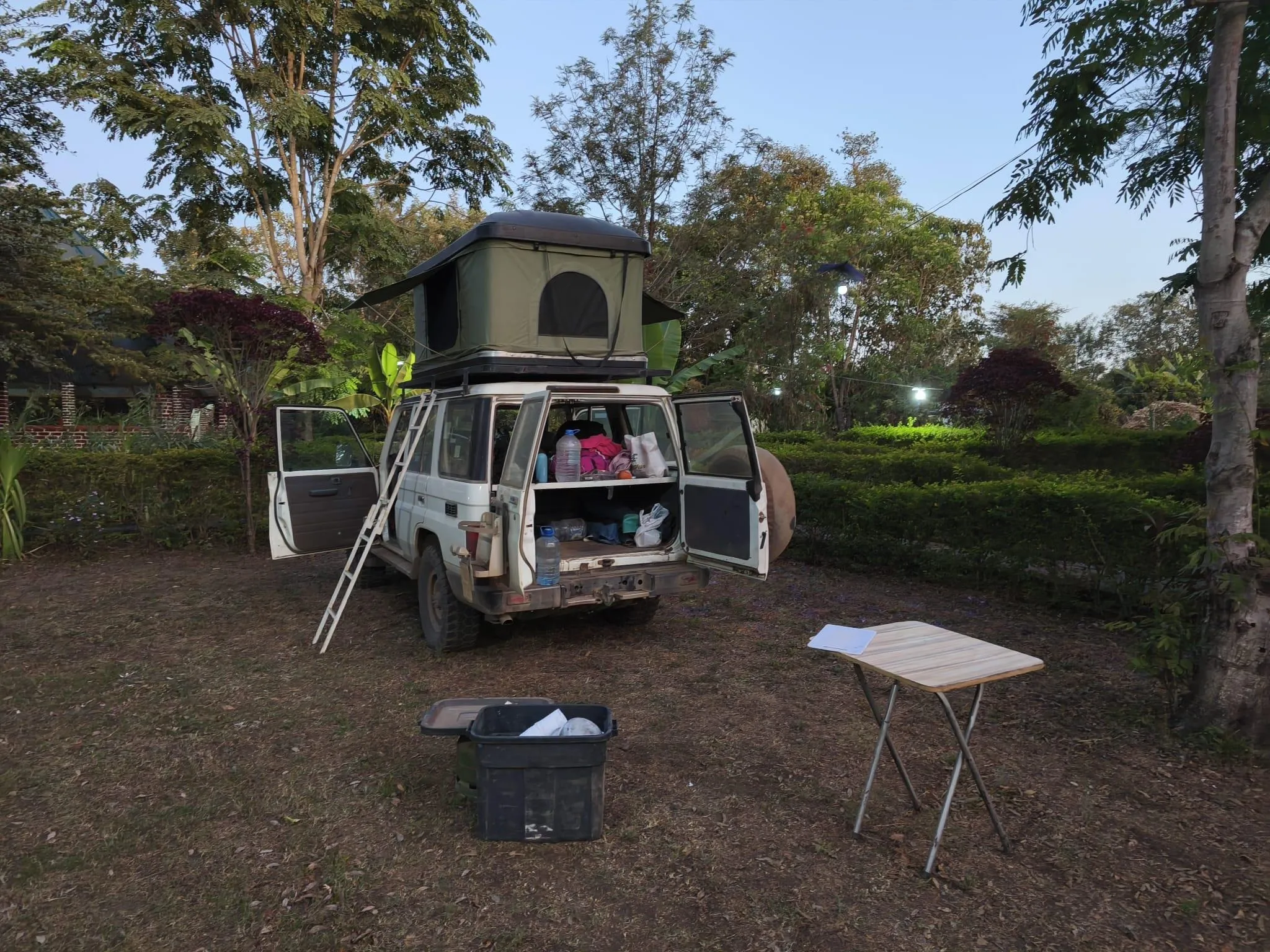
East Africa is home to some of the world’s most famous safari destinations, including Kenya, Tanzania, Uganda, and Rwanda. From the open plains of the Maasai Mara and Serengeti to the forests of Uganda, travelers can experience remarkable wildlife, diverse landscapes, and unforgettable nights under the African sky.
A rooftop tent adds another dimension to the adventure. Your accommodation travels with you, allowing you to camp in designated safari campsites while remaining close to nature. However, a successful self-drive safari requires preparation, responsible driving, and a good understanding of local conditions.
What Is an East Africa Self-Drive Safari?
An East Africa self-drive safari is a wildlife journey where travelers rent a suitable four-wheel-drive vehicle and drive themselves between destinations and through permitted safari areas. Rather than having a professional guide behind the wheel, you are responsible for navigation, driving, campsite planning, and managing your daily schedule.
For adventurous travelers, this offers considerable freedom. You can leave camp early, spend several hours watching wildlife, take a scenic break, and decide how long you want to remain at a particular location.
The experience becomes even more memorable when you use a vehicle equipped with a rooftop tent. During the evening, the tent can be unfolded on top of the vehicle, creating a comfortable camping space while keeping you elevated above the ground.
Why Choose a Rooftop Tent Safari?
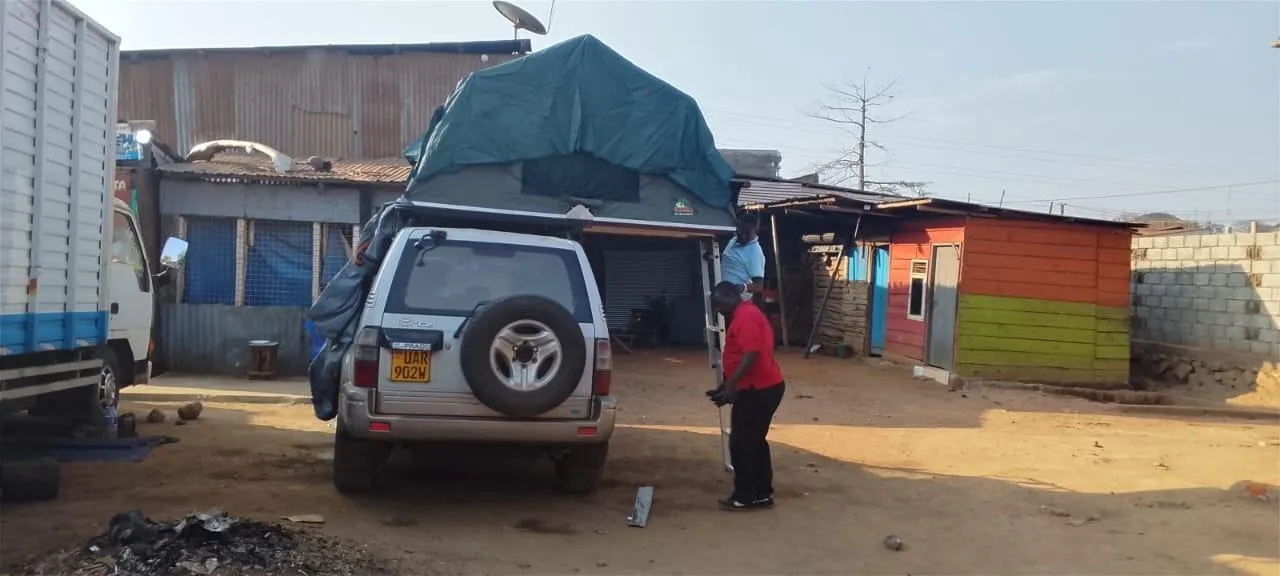
A rooftop tent is particularly suitable for travelers who want a balance between adventure and comfort. Traditional ground camping requires more space and can involve additional setup, while a rooftop tent is usually integrated into the safari vehicle.
One of the biggest advantages is convenience. Once you arrive at your campsite, the tent can generally be opened and prepared relatively quickly. Many safari vehicles are also equipped with camping equipment such as mattresses, bedding, cooking equipment, tables, chairs, and storage facilities.
Sleeping above the ground also provides a different camping experience. You can listen to the sounds of the African wilderness from your campsite while enjoying a secure and elevated sleeping area.
However, rooftop tent camping does not mean you can camp anywhere. Travelers must always use authorized campsites and follow the regulations of national parks, conservancies, and other protected areas.
Best East African Countries for Self-Drive Safaris
Kenya
Kenya is a popular choice for first-time safari travelers because of its diverse wildlife destinations and established tourism infrastructure. The Maasai Mara is particularly famous for its large populations of lions, elephants, cheetahs, and other wildlife.
Beyond the Maasai Mara, travelers can explore destinations such as Amboseli, Lake Nakuru, Samburu, and Tsavo. Each offers a different landscape and wildlife experience.
A self-drive journey through Kenya can combine wildlife viewing with cultural experiences, scenic road trips, and camping adventures.
Tanzania
Tanzania offers some of East Africa’s most iconic safari landscapes. The Serengeti is famous for its enormous plains and annual wildlife migration, while the Ngorongoro Conservation Area provides spectacular scenery and opportunities to see a wide range of animals.
Other destinations include Tarangire and Lake Manyara. Tanzania can be an excellent option for travelers who want to combine several major wildlife areas into one extended journey.
However, driving conditions and park regulations can vary, so travelers should carefully plan their route and understand where self-driving is permitted.
Uganda
Uganda provides a different safari experience, combining traditional savanna wildlife with lush forests, mountains, lakes, and primate experiences.
Destinations such as Queen Elizabeth National Park and Murchison Falls National Park are popular among safari travelers. Uganda is also known for its gorilla and chimpanzee experiences, although these activities generally require specialized arrangements and permits.
A rooftop tent safari in Uganda can be particularly appealing to travelers who want a mixture of wildlife, nature, and road-trip adventure.
Rwanda
Rwanda is well known for its beautiful mountainous landscapes and exceptional conservation efforts. Although it is smaller than Kenya or Tanzania, it offers opportunities to experience wildlife, forests, and primates.
Self-driving conditions can differ significantly from those in larger safari countries, so travelers should research current road conditions, rental requirements, and park regulations before planning a rooftop tent itinerary.
Choosing the Right Safari Vehicle
The vehicle is one of the most important decisions for a self-drive safari. A standard city car is not suitable for many safari routes. A properly equipped four-wheel-drive vehicle is generally a much better choice.
Look for a vehicle with good ground clearance, reliable tires, sufficient luggage capacity, and a rooftop tent designed for the vehicle. Depending on the route, additional equipment such as a spare tire, recovery gear, navigation system, refrigerator, cooking equipment, and water storage can be extremely useful.
Before leaving the rental company, inspect the vehicle carefully. Check the tires, lights, brakes, tent mechanism, camping equipment, spare tire, and recovery equipment. Ask the rental company how the four-wheel-drive system works and what to do in the event of a breakdown.
Planning Your Safari Route
A good route is essential for a successful self-drive safari. Avoid trying to visit too many destinations in a short period. Long driving days can become tiring, particularly when roads are rough or weather conditions change.
Instead, allow enough time at each destination. A slower itinerary gives you more opportunities for wildlife viewing and makes the overall trip more enjoyable.
When planning your route, consider:
-
Distance between destinations
-
Road conditions
-
Park entry requirements
-
Campsite availability
-
Fuel stations
-
Weather conditions
-
Vehicle rental restrictions
-
Border-crossing requirements
-
Wildlife regulations
It is also wise to have both digital and offline maps. Mobile coverage may not be reliable in remote safari areas, so never depend entirely on an internet connection.
What to Pack for a Rooftop Tent Safari
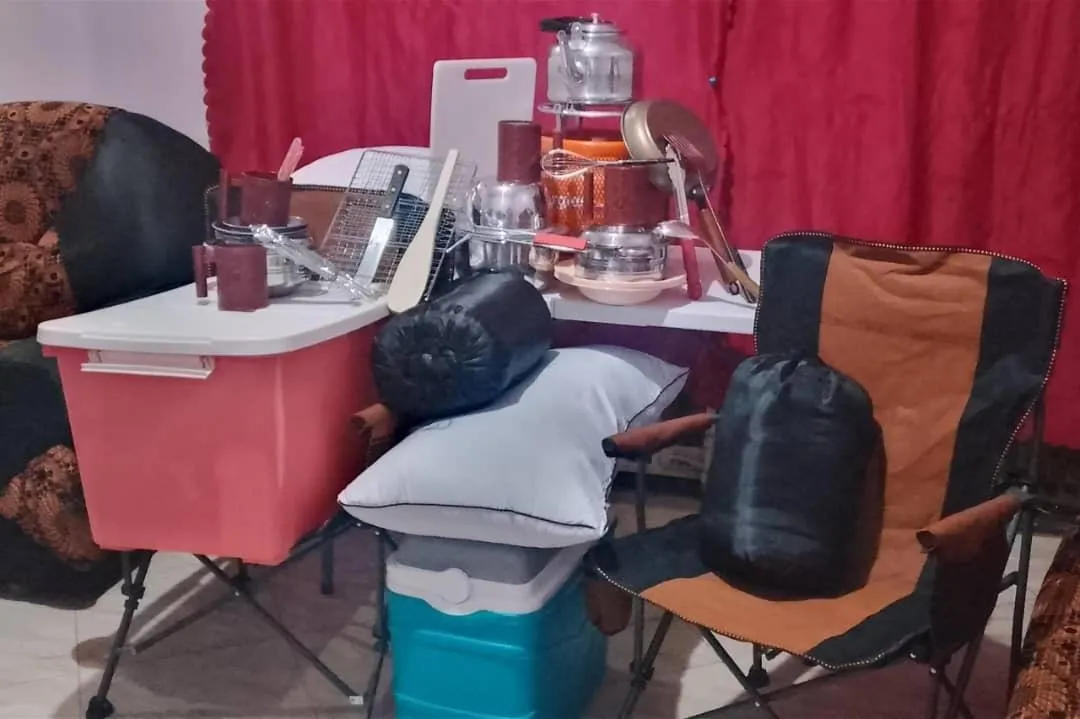
Packing efficiently is important because vehicle space can be limited. Essential items include lightweight clothing, comfortable walking shoes, a hat, sunglasses, sunscreen, insect repellent, a flashlight or headlamp, personal medication, and basic toiletries.
For camping, consider carrying additional drinking water, snacks, cooking supplies, a power bank, portable lighting, and appropriate sleeping layers.
A pair of binoculars and a camera with a suitable zoom lens can greatly improve your wildlife-viewing experience. Neutral-colored clothing is generally practical for safari environments.
It is also important to carry important travel documents, copies of identification, driving documents, insurance information, and relevant park or permit documentation.
Driving Safely in the African Wilderness
Self-driving in a safari environment requires greater attention than ordinary highway driving. Animals may cross roads unexpectedly, roads can become muddy after rain, and some tracks may contain deep sand, rocks, or potholes.
Always obey park speed limits and local regulations. Never leave the vehicle in unauthorized areas simply to get closer to wildlife. Animals should be observed from a safe distance.
When approaching wildlife, reduce your speed and avoid making sudden movements or loud noises. Do not attempt to block an animal’s path or surround wildlife with your vehicle.
Driving after dark should generally be avoided in wildlife areas unless specifically permitted. Many animals are more active at night, and visibility can be extremely limited.
Where to Stay with a Rooftop Tent
One of the best aspects of a rooftop tent safari is the variety of camping experiences available. Travelers can stay at designated campsites inside or near protected areas, depending on local regulations.
Some campsites offer basic facilities such as toilets, showers, water points, and cooking areas. Others are more developed and may provide restaurants, charging facilities, or additional services.
Always confirm campsite rules before arrival. Some locations require advance reservations, particularly during busy travel seasons.
Food and Cooking on Safari
Cooking your own meals can reduce costs and add to the adventure. Many rooftop tent rental packages include basic cooking equipment, but it is important to confirm exactly what is provided.
Simple meals are often the easiest option. Rice, pasta, vegetables, bread, canned foods, fruit, and other easy-to-store ingredients can work well.
Keep food securely stored and follow campsite rules concerning food waste. Never leave food or cooking materials unattended in areas where wildlife may be present.
Budgeting for a Self-Drive Safari
The total cost of an East Africa self-drive safari depends on the country, vehicle, itinerary, season, accommodation, park fees, fuel consumption, and camping arrangements.
Major expenses may include:
-
4×4 vehicle rental
-
Rooftop tent rental
-
Fuel
-
National park and conservation fees
-
Campsite fees
-
Food and drinks
-
Travel insurance
-
Permits where required
-
Road tolls or other local charges
-
Emergency or recovery services
Although self-driving can provide greater control over your spending, park fees and vehicle rental costs can still represent a significant part of the overall budget.
Best Time for a Rooftop Tent Safari
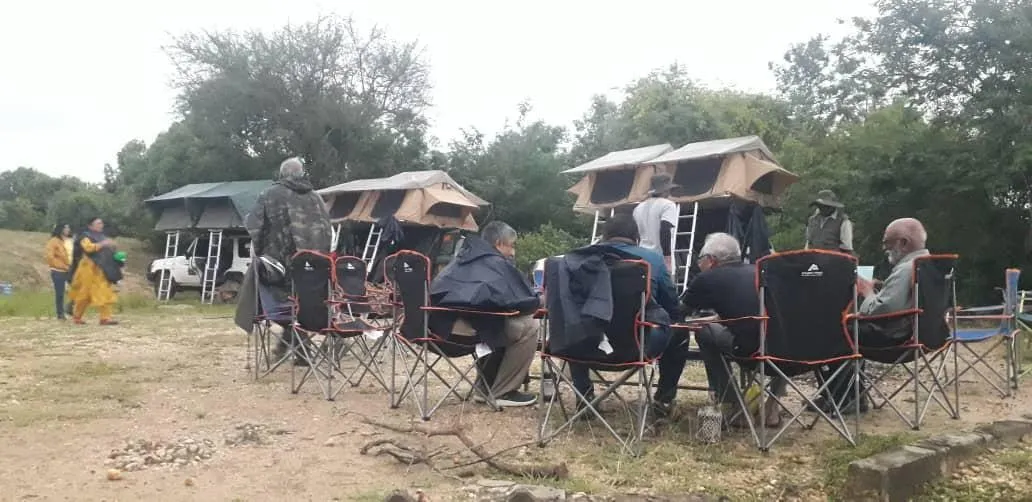
East Africa can be visited throughout much of the year, but weather and wildlife conditions vary by destination.
Dry periods are often attractive for traditional wildlife viewing because vegetation may be less dense and animals can be easier to spot around water sources. However, these periods can also be busier and more expensive.
The wet seasons can bring greener landscapes, fewer visitors, and excellent photography conditions. On the other hand, heavy rain can make some roads challenging.
The best travel period ultimately depends on the countries and parks included in your itinerary.
Responsible Safari Travel
A memorable safari should also be a responsible one. Follow the principles of low-impact travel by respecting wildlife, local communities, and the natural environment.
Never feed wild animals, leave rubbish behind, or remove natural objects from protected areas. Stay on designated roads and follow instructions from park authorities.
Supporting locally owned camps, guides, restaurants, and tourism businesses can also help ensure that tourism contributes to surrounding communities.
Final Thoughts
An East Africa self-drive safari with a rooftop tent combines freedom, wildlife, camping, and road-trip adventure into one unforgettable experience. Whether you explore Kenya’s famous savannas, Tanzania’s legendary wildlife areas, Uganda’s diverse landscapes, or Rwanda’s mountain forests, traveling independently allows you to experience East Africa at your own pace.
The key to a successful trip is preparation. Choose a reliable 4×4 vehicle, understand local driving and park regulations, plan realistic distances, carry essential camping equipment, and respect the wildlife around you.
With the right preparation and a spirit of adventure, a rooftop tent safari can turn an ordinary holiday into an extraordinary journey through some of Africa’s most spectacular wilderness.